

Hydra Facial vs Chemical Peel: What’s the Difference & Which Is Better?
When it comes to professional skincare, two of the most talked-about treatments are hydra facial vs chemical peel. Both aim to improve skin texture, tone, and clarity, but they do so in very different ways. Understanding the differences can help you choose the right treatment for your skin goals — whether you want instant radiance or deeper correction.
In this article, we’ll break down how these treatments work, what results you can expect, who they’re best for, and how they compare in terms of comfort and recovery.
What Is a Hydra Facial?
A hydra facial is a non-invasive, multi-step skincare treatment that:
-
Cleanses and exfoliates the skin
-
Extracts impurities gently using vortex suction
-
Infuses hydrating and antioxidant-rich serums
-
Leaves skin hydrated, plump, and glowing immediately
Hydra facials are known for their modern vortex-fusion technology, which removes dead skin cells and simultaneously hydrates the skin — making it an ideal choice if you want improved texture and radiance with zero downtime.
What Is a Chemical Peel?
A chemical peel uses acid solutions such as glycolic, lactic, salicylic, or TCA to exfoliate dead skin cells and promote cellular renewal. The strength and depth of a peel vary:
-
Superficial peels: Mild acids that remove surface layers
-
Medium peels: Stronger acids that go deeper
-
Deep peels: Treat serious texture issues and scarring
Chemical peels remove older damaged skin, stimulating new cell growth. Depending on the peel used, results can be more dramatic but often come with recovery and visible peeling afterward.
Hydra Facial vs Chemical Peel: Side-by-Side Comparison
1. Treatment Mechanism
-
Hydra Facial: Uses vortex suction and serums to cleanse, extract and hydrate.
-
Chemical Peel: Uses acids to strip away layers of skin for deeper exfoliation.
2. Results & Duration
-
Hydra Facial: Immediate glow and smoothness that lasts about 5–7 days; best with repeat sessions.
-
Chemical Peel: Results build over 1–2 weeks as skin sheds and renews; deeper effects last longer.
3. Downtime & Recovery
-
Hydra Facial: No downtime; you can resume daily life instantly.
-
Chemical Peel: Recovery varies: minor peels cause a few days of flaking, while deeper peels may take 1–2 weeks or more.
4. Comfort & Sensation
-
Hydra Facial: Gentle and relaxing; minimal discomfort even on sensitive skin.
-
Chemical Peel: Mild stinging or burning depending on acid strength; deeper peels more intense.
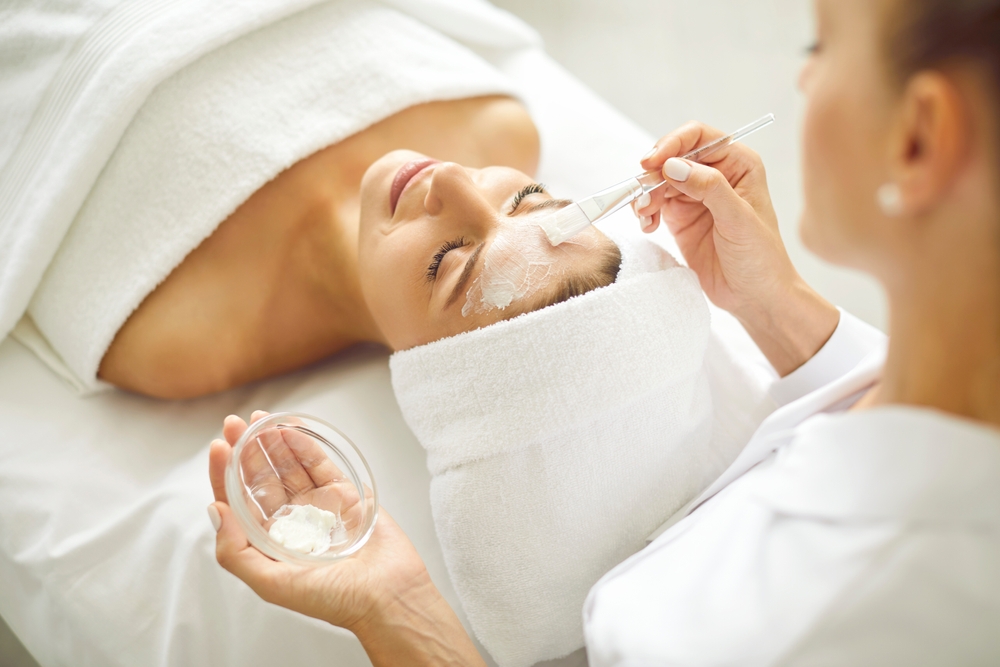
5. Targeted Skin Concerns
| Treatment | Best For |
|---|---|
| Hydra Facial | Dullness, dehydration, mild texture issues, clogged pores, light pigmentation |
| Chemical Peel | Deeper pigmentation, acne scars, sun damage, fine lines and wrinkles |
Hydra facials are excellent for maintenance and sensitive skin, while chemical peels — especially medium and deep ones — are better for dramatic resurfacing.
Who Should Choose Which?
Choose Hydra Facial If:
-
You want instant glow and smoother skin
-
You have sensitive or reactive skin
-
You want zero downtime
-
You need regular maintenance between deeper treatments
Choose Chemical Peel If:
-
You’re targeting stubborn pigmentation
-
You want deeper renewal or texture improvement
-
You can manage a little peeling and downtime for lasting results
Can You Do Both?
Yes — many dermatologists recommend combining treatments: for example, using a hydra facial to hydrate and prep skin before a chemical peel, or alternating them for balanced maintenance and correction.
Book Your Skin Treatment Consultation
Not sure which one suits you best? A professional consultation will assess your skin type and concerns so you can choose the right option — whether it’s a hydra facial, chemical peel, or combination plan.
Conclusion
In the hydra facial vs chemical peel debate, there’s no one-size-fits-all answer. If you want quick hydration, glow and no downtime, hydra facial is ideal. If your goal is deeper exfoliation, pigmentation correction, and long-lasting renewal, a chemical peel may be the better choice. Your decision should be based on your skin goals, tolerance for downtime, and recommendations from a skincare professional.
External Resources for More Information
For additional insights on beauty standards and professional makeup artistry in India, you can visit Vogue India to stay updated with the latest beauty trends.
Read more related articles to enhance your knowledge and make informed decisions about cosmetic procedures.
Minou Nails Best Semi Permanent Makeup in Delhi
What is Semi-Permanent Makeup – What It Is and Why It’s Popular


