
Is Permanent Microblading Safe for Skin?
Permanent microblading has become one of the most popular eyebrow enhancement treatments in recent years. Many people love the idea of waking up with perfectly shaped brows every day. However, one of the most common questions clients ask is: Is permanent microblading safe for skin?
In this detailed 2026 guide, we explain how microblading works, its safety aspects, possible risks, and how to ensure a safe experience.
What Is Permanent Microblading?
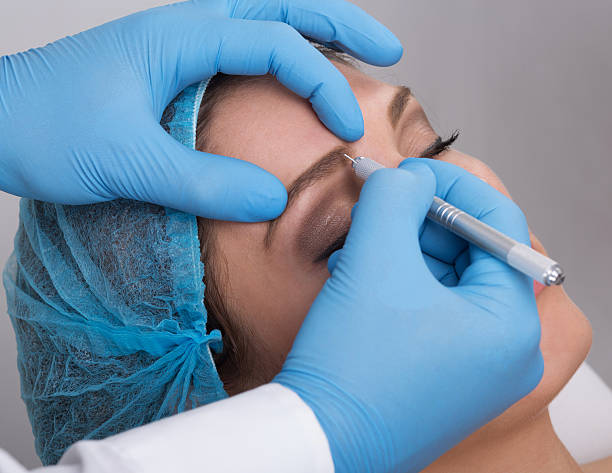
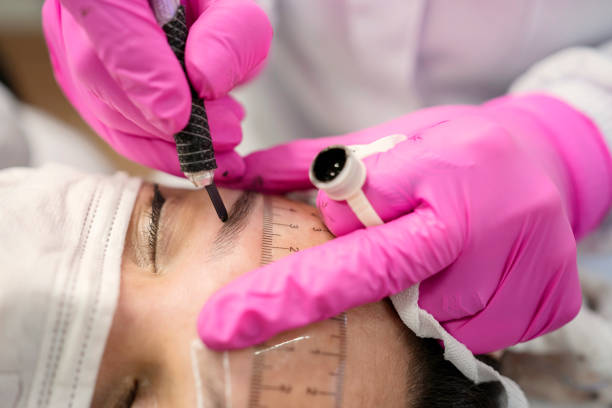
Microblading is a semi-permanent cosmetic procedure where a trained technician uses a fine blade to deposit pigment into the upper layers of the skin. It creates hair-like strokes that mimic natural eyebrow hair.
Although often called “permanent,” microblading is technically semi-permanent. Results usually last between 12 to 24 months depending on skin type, lifestyle, and aftercare.
Is Permanent Microblading Safe for Skin?
Short Answer: Yes — When Done Correctly
Permanent microblading is generally safe when performed by:
-
A certified and experienced technician
-
In a hygienic, licensed studio
-
Using high-quality pigments and sterile tools
-
Following proper aftercare instructions
However, like any cosmetic procedure, it carries some risks if done improperly.
How Microblading Affects the Skin
1. Pigment Placement
Microblading deposits pigment into the superficial layer of the skin (epidermis and upper dermis). Unlike traditional tattoos, it does not penetrate deeply, which reduces long-term complications.
2. Healing Process
After the procedure:
-
Mild redness and swelling are normal
-
Light scabbing may occur
-
Brows may appear darker initially
Healing typically takes 7–14 days.
Potential Risks of Permanent Microblading
While generally safe, there are possible side effects:
Infection
If tools are not sterile or aftercare is ignored, infection can occur. Always choose a professional studio that follows hygiene protocols.
Allergic Reactions
Some individuals may react to pigments or numbing creams. A patch test before the procedure reduces this risk.
Skin Sensitivity
People with extremely sensitive skin may experience prolonged redness or irritation.
Uneven Results
Inexperienced technicians may create uneven strokes or incorrect brow shapes.
According to the Ministry of Health and Family Welfare, cosmetic procedures must follow strict hygiene standards to prevent infections and complications.
You can review official public health guidelines on their website for general safety recommendations.
Who Should Avoid Microblading?
Permanent microblading may not be suitable for:
-
Pregnant or breastfeeding women
-
Individuals with active skin infections
-
People with severe eczema or psoriasis near brows
-
Those undergoing chemotherapy
-
Individuals with uncontrolled diabetes
If you have a medical condition, consult a dermatologist before booking.
Benefits of Permanent Microblading
When done safely, microblading offers several advantages:
Long-Lasting Results
You can enjoy fuller, defined brows for 1–2 years without daily makeup.
Natural Appearance
Modern techniques create realistic hair strokes.
Time-Saving
No need to fill in brows daily.
Smudge-Proof Brows
Perfect for humid climates or active lifestyles.
How to Ensure Microblading Is Safe for Your Skin
Safety depends largely on the clinic and technician you choose.
Choose Certified Professionals
Verify training certifications and experience.
Ask About Pigments
Ensure pigments are high-quality and safe for cosmetic use.
Confirm Sterilization Practices
Single-use blades and disposable gloves are essential.
Request a Patch Test
This helps identify allergic reactions before the full procedure.
Follow Aftercare Strictly
Avoid water, sweat, and sun exposure during healing.
Is “Permanent” Microblading Really Permanent?
The term “permanent microblading” can be misleading. Unlike traditional tattoos, the pigment fades gradually over time. This fading is actually safer because:
-
It allows shape correction in future
-
It reduces long-term pigment buildup
-
It prevents extremely deep skin damage
Touch-ups are typically required every 12–18 months.
Does Skin Type Affect Safety?
Yes, skin type plays a role.
Oily Skin
Pigment may fade faster but is still safe.
Sensitive Skin
Requires patch testing and gentle aftercare.
Dry or Normal Skin
Usually retains pigment better with smoother healing.
A professional consultation helps determine your suitability.
What Happens If Microblading Goes Wrong?
If performed incorrectly:
-
Pigment may change color
-
Scarring can occur (rare but possible)
-
Removal may require laser treatments
Choosing an experienced technician dramatically reduces these risks.
Microblading Safety in 2026
By 2026, the beauty industry has improved significantly in:
-
Advanced pigment technology
-
Better sterilization standards
-
Improved technician training
-
Transparent consultation practices
Clients now have access to safer procedures than ever before.
Final Verdict: Is Permanent Microblading Safe for Skin?
Yes, permanent microblading is safe for skin when performed by trained professionals in hygienic conditions using approved pigments. Most complications occur due to unqualified technicians or poor aftercare.
Before booking:
-
Research the studio
-
Request a consultation
-
Ask about hygiene and pigment quality
-
Get a patch test
External Resources for More Information
For additional insights on beauty standards and professional makeup artistry in India, you can visit Vogue India to stay updated with the latest beauty trends. Don’t wait — book your appointment now
Read more related articles to enhance your knowledge and make informed decisions about cosmetic procedures.
Minou Nails Best Semi Permanent Makeup in Delhi
What is Semi-Permanent Makeup – What It Is and Why It’s Popular


