Chemical Peel for Tan Removal: Complete Guide
Sun tanning can make your skin look dull, uneven, and pigmented. While home remedies may take time, a chemical peel for tan removal is one of the most effective and fast-acting professional treatments available today. It works by exfoliating the top layer of the skin, revealing fresh, brighter, and healthier skin underneath.
If you’re looking for a safe and result-driven way to remove tan, chemical peels can be an excellent option.
What is a Chemical Peel?
A chemical peel is a dermatological treatment that uses safe acids to remove dead skin cells and promote new skin growth. It helps improve skin tone, texture, and overall appearance.
How It Works
- Removes damaged outer skin layer
- Stimulates skin renewal
- Reduces melanin buildup
- Improves skin clarity
Types of Chemical Peels for Tan Removal
Different types of peels are used depending on your skin type and tanning level.
1. Glycolic Acid Peel
This is one of the most commonly used peels for tan removal.
Benefits
- Gently exfoliates skin
- Brightens complexion
- Improves texture
2. Lactic Acid Peel
A mild peel suitable for sensitive skin.
Why Choose It
- Hydrates skin
- Reduces mild tan
- Improves skin tone
3. Salicylic Acid Peel
Best for oily and acne-prone skin.
Advantages
- Controls oil
- Reduces acne marks
- Clears pores
4. Combination Peels
Dermatologists often use a mix of acids for better and faster results.
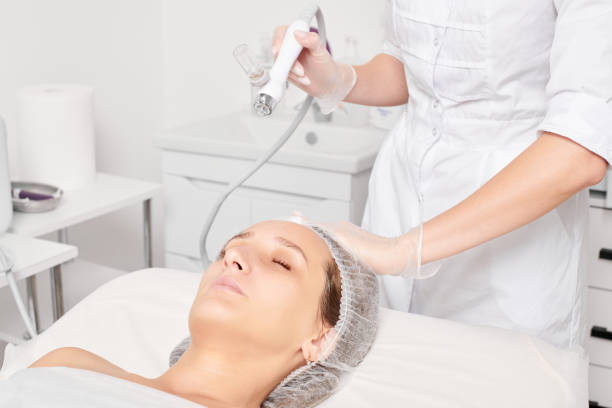
Benefits of Chemical Peel for Tan Removal
Chemical peels offer several advantages over basic skincare treatments.
Key Benefits
- Removes tan effectively
- Improves skin texture
- Reduces pigmentation
- Enhances natural glow
- Quick and visible results
Procedure of Chemical Peel Treatment
Understanding the process helps you prepare better.
1. Skin Analysis
A professional evaluates your skin type and concerns.
2. Cleansing
The skin is cleaned to remove impurities.
3. Peel Application
A chemical solution is applied evenly on the skin.
4. Neutralization
The peel is neutralized after a few minutes.
5. Post-Treatment Care
A soothing cream or sunscreen is applied.
For safe and professional results, you can book your appointment here and consult skincare experts.
Aftercare Tips for Best Results
Proper aftercare is essential to maintain results and avoid irritation.
Post-Peel Care
- Use sunscreen daily (SPF 30+)
- Avoid direct sun exposure
- Do not peel or scratch skin
- Use gentle moisturizers
How Many Sessions Are Required?
The number of sessions depends on your skin condition.
General Guidelines
- Mild tan: 1–2 sessions
- Moderate tan: 3–4 sessions
- Deep tan: 5+ sessions
Your skincare expert will recommend a personalized plan.
Is Chemical Peel Safe?
Yes, chemical peels are safe when performed by trained professionals.
Safety Factors
- Controlled and dermatologist-approved
- Suitable for most skin types
- Minimal downtime
- Temporary mild redness may occur
Who Should Avoid Chemical Peels?
While generally safe, some people should consult a doctor before treatment.
Avoid If You Have
- Extremely sensitive skin
- Active infections or wounds
- Severe skin conditions
Conclusion
A chemical peel for tan removal is one of the most effective ways to achieve brighter, smoother, and even-toned skin. With its ability to exfoliate and renew the skin, it delivers faster and more noticeable results compared to home remedies.
External Resources for More Information
For additional insights on beauty standards and professional makeup artistry in India, you can visit Vogue India to stay updated with the latest beauty trends. What Are the Different Types of Hair Extensions? Don’t wait — book your appointment now
Read more related articles to enhance your knowledge and make informed decisions about cosmetic procedures.
Minou Nails Best Semi Permanent Makeup in Delhi
What is Semi-Permanent Makeup – What It Is and Why It’s Popular