
Why Does Microblading Turn Red in 2026? Causes & Solutions
Microblading is one of the most popular semi-permanent eyebrow treatments in 2026. It gives natural-looking, fuller brows without daily makeup. However, one common concern many clients experience is microblading turning red over time.
If your eyebrows have developed a reddish or pinkish tone, don’t panic. This is a common issue and usually happens due to pigment chemistry, skin type, or improper technique. In this blog, we explain why microblading turns red and how to fix or prevent it.
What Is Microblading?
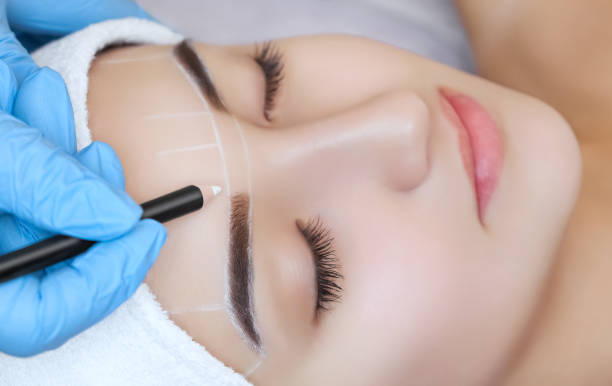
Microblading is a semi-permanent cosmetic tattooing technique where pigment is manually implanted into the upper dermis using fine strokes that mimic natural eyebrow hair.
Unlike traditional tattooing, microblading uses specialized pigments and shallower implantation depth, which means it fades over time.
Why Does Microblading Turn Red?
There are several reasons why your microblading may develop a red undertone.
1. Poor Pigment Quality
Low-quality pigments often contain unstable color bases. Many cheap pigments use warm undertones (red/orange) as their base. Over time, the cooler tones fade first, leaving behind a reddish tint.
Professional artists use high-quality pigments designed to fade evenly without leaving unwanted tones.
For trusted beauty standards and cosmetic guidelines in India, you can refer to the Bureau of Indian Standards.
2. Incorrect Pigment Selection
Every skin type has different undertones:
-
Cool undertones
-
Warm undertones
-
Neutral undertones
If the wrong pigment is chosen for your skin tone, oxidation may occur, resulting in red brows.
An experienced technician always performs a skin assessment before selecting pigment.
3. Sun Exposure
UV rays break down pigment molecules. When exposed to excessive sunlight:
-
Dark pigments fade faster
-
Warm tones become more visible
-
Brows may look reddish or orange
Living in hot climates like India increases this risk, especially without sunscreen.
4. Oily Skin Type
Clients with oily skin are more prone to color shifting. Excess oil:
-
Pushes pigment outward
-
Causes uneven fading
-
Makes brows appear red or patchy
In 2026, many artists recommend nano-brows instead of traditional microblading for oily skin types.
5. Depth of Implantation
If pigment is implanted too shallow, it fades quickly and may turn red.
If implanted too deep, it can cause color distortion.
Proper depth control is critical to avoid color change.
6. Iron Oxide-Based Pigments
Many microblading pigments contain iron oxide. When exposed to air and skin chemistry, oxidation can create a reddish tone.
Modern organic pigments introduced in 2026 are more stable and less likely to shift.
How to Fix Red Microblading
If your brows have already turned red, here are your options:
1. Color Correction
A trained technician can neutralize red tones using corrective pigments (usually green-based pigments to balance red).
This is the most common and effective solution.
2. Laser Removal
If the red tone is strong or uneven, laser sessions can lighten the pigment before redoing the brows.
Always consult certified professionals before laser treatment.
3. Brow Refresh Session
Sometimes a simple touch-up with the correct pigment can restore a natural brown shade.
If you’re planning a professional consultation or correction session, you can book your appointment.
How to Prevent Microblading from Turning Red
Prevention is always better than correction.
Choose a Certified Artist
Always check:
-
Certification
-
Experience
-
Client reviews
-
Before-and-after photos
Use SPF on Brows
Yes, brows need sunscreen too. Apply a small amount of SPF once healing is complete.
Follow Aftercare Instructions
Proper aftercare reduces pigment breakdown. Avoid:
-
Excess sweating
-
Swimming during healing
-
Harsh skincare acids near brows
Avoid Cheap Services
Low-cost services often compromise on pigment quality and technique. Investing in professional services prevents long-term problems.
Is Microblading Still Safe in 2026?
Yes, microblading is safe when performed by trained professionals using quality pigments. The issue of red fading is mostly related to pigment chemistry and improper technique—not the procedure itself.
Advancements in pigment formulation in 2026 have significantly reduced color-shifting problems.
Final Thoughts
Microblading turning red is common but preventable. The main causes include poor pigment quality, incorrect color selection, oily skin, sun exposure, and improper implantation depth.
The good news? It can be corrected easily with professional color correction or touch-up sessions.
External Resources for More Information
For additional insights on beauty standards and professional makeup artistry in India, you can visit Vogue India to stay updated with the latest beauty trends. Don’t wait — book your appointment now
Read more related articles to enhance your knowledge and make informed decisions about cosmetic procedures.
Minou Nails Best Semi Permanent Makeup in Delhi
What is Semi-Permanent Makeup – What It Is and Why It’s Popular


